

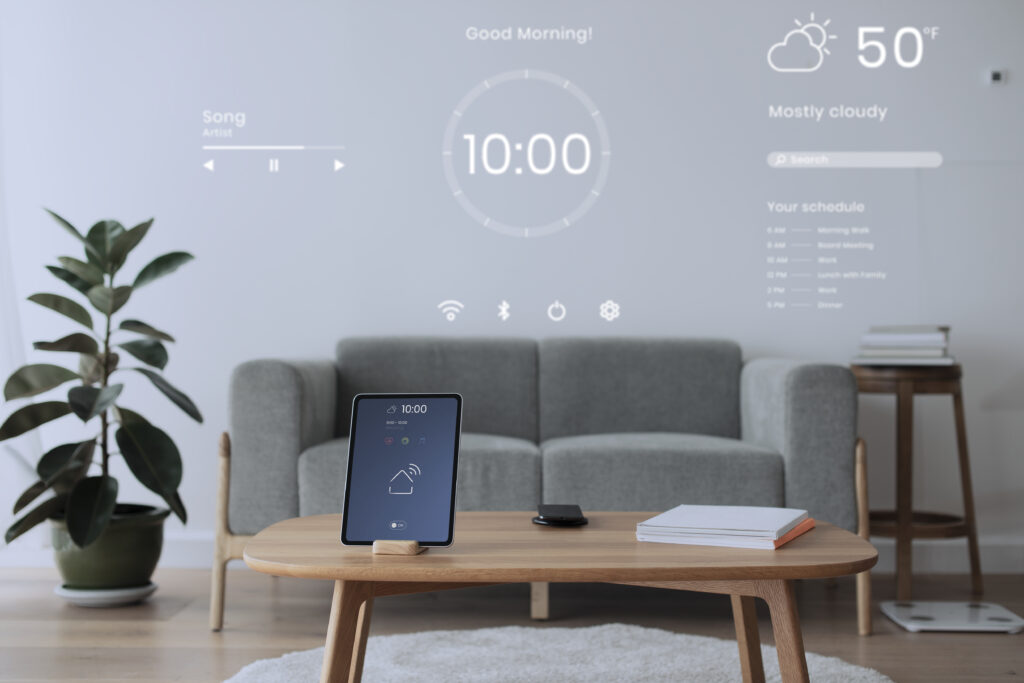
The Future of Furniture: Top Technology Trends in Modern and Upcoming Products
The world of furniture is evolving faster than ever, thanks to the rapid advancement of
technology and the shifting needs of modern lifestyles. What was once static and purely
functional is now becoming interactive, adaptable, and even intelligent. From smart desks to AIpowered recliners, the future of furniture is high-tech and highly personalized.
Here are the top technology trends driving innovation in furniture today — and what to expect in
the near future.
1. Smart Furniture for Smart Homes
One of the most notable trends is the rise of smart furniture — pieces designed to interact with
other devices in your home. Products like beds that track your sleep, desks that remind you to
stand, and coffee tables with built-in Bluetooth speakers are no longer novelties — they’re
becoming standard in tech-forward homes.
Current examples include:
- Adjustable smart beds with sleep-tracking sensors and climate control.
- Sofas with wireless charging pads and USB ports.
- Voice-activated lighting built into bookshelves or nightstands.
As smart homes become more mainstream, furniture that connects with systems like Amazon
Alexa, Google Home, and Apple HomeKit is in high demand.
2. Ergonomics Meets AI
Technology is also improving furniture ergonomics. AI is being integrated into office chairs and
workstations to adapt to users’ posture and movements. These “intelligent” chairs can analyze
sitting habits and recommend adjustments for better spine support and productivity.
Coming soon: Desks and seating systems that sync with fitness trackers to monitor your health,
alert you about posture correction, and adapt based on biometric feedback.
3. Modular and Multi-Functional Designs
Urban living spaces are getting smaller, and technology is helping maximize flexibility. Modular
furniture, powered by lightweight mechanics and sometimes automation, allows users to
reconfigure a space easily.
Think of:
- A dining table that transforms into a work desk via app control.
- A sofa that automatically unfolds into a bed with a remote.
- Wall-mounted furniture that folds up with a touch or gesture sensor.
Upcoming versions will include AI-enabled modular systems that learn your daily habits and
adjust automatically — such as dimming lights or extending surfaces at specific times of day.
4. Immersive and AR-Based Shopping Experiences
Technology is also transforming how we buy furniture. Augmented reality (AR) apps now let
customers visualize pieces in their actual home environment before making a purchase. Many
major retailers already offer this experience, and the next step is interactive AR, where users can
modify colors, textures, or size in real time.
Looking ahead, virtual showrooms in the metaverse could become a new shopping norm —
giving customers the freedom to “walk through” home setups and purchase directly from VR
platforms.
5. Sustainable Tech-Driven Materials
Eco-conscious consumers are driving demand for furniture that’s not just smart, but sustainable.
New tech is enabling the use of alternative materials like mycelium (fungus-based composites),
ocean plastics, and carbon-neutral 3D-printed components.
Smart tags embedded in products may soon let users track a product’s carbon footprint and
material origin.
Final Thoughts
As smart homes become the norm and AI continues to improve, expect your furniture to do more
than sit still. The next generation of products will serve, respond, and even think alongside you.